About BUCABUMA
Building Capacity in Circular Natural Building Materials — connecting universities, students, and practitioners across Africa and Europe.
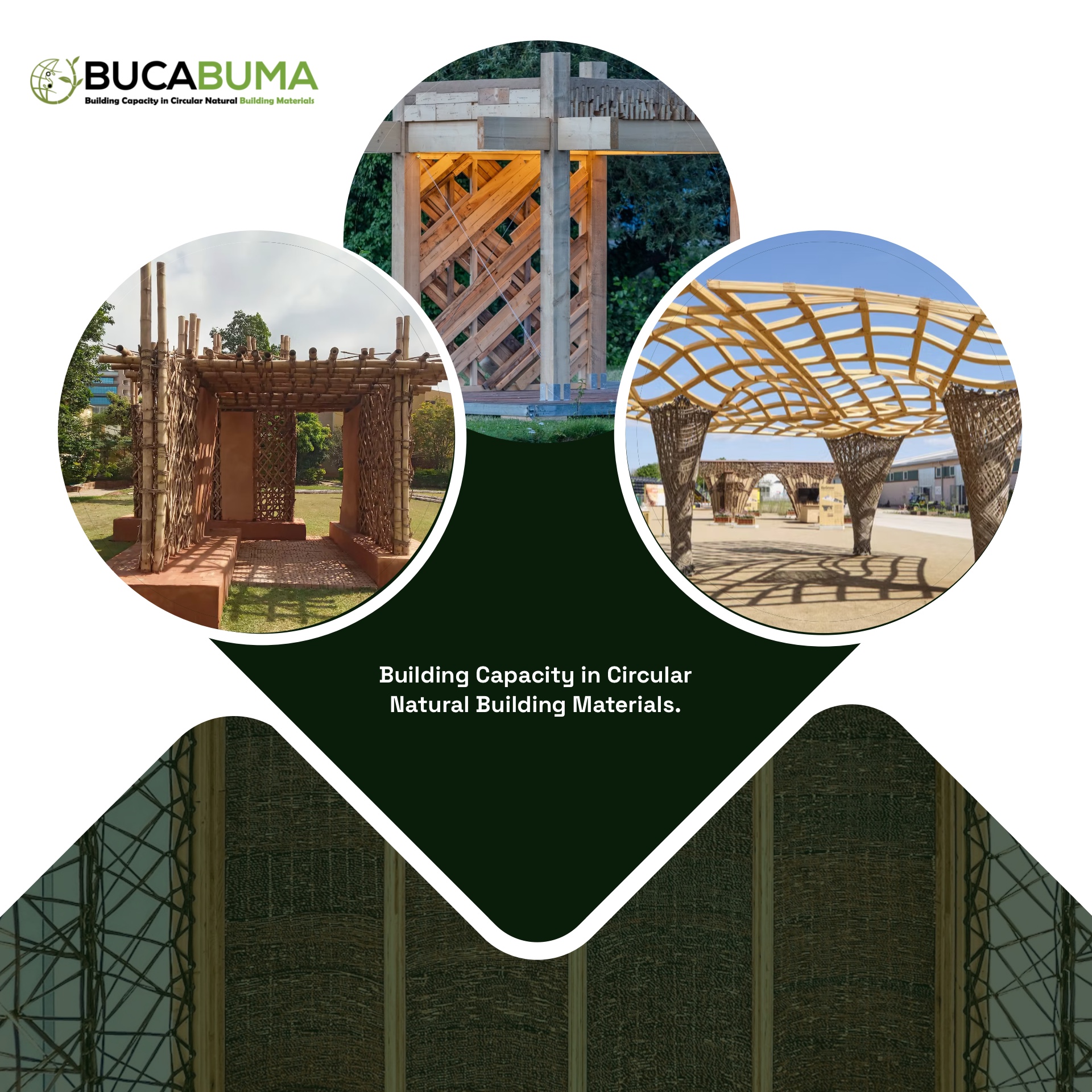

Building Capacity in
Circular Natural Materials
BUCABUMA (Building Capacity in Circular Natural Building Materials) is an innovative initiative dedicated to advancing sustainable construction, climate resilience, and circular economy practices through the integration of natural materials, digital innovation, and traditional engineering knowledge.
Our mission is to empower students, researchers, and practitioners with the skills, tools, and knowledge needed to develop resource-efficient, climate-responsive building solutions. By combining education and research, digital fabrication, and locally available renewable materials, BUCABUMA promotes environmentally responsible construction methods that are both affordable and scalable.

The Logo Concept
The BUCABUMA logo is a composite emblem that encodes the project's identity in four interlocking visual elements, unified by a two-tone wordmark. At its centre is a single guiding idea: inside the framework of circularity and natural building materials, it is the exchange of ideas, knowledge, technology, and mobility between people that drives transformation. The Globe forms the emblem's structural foundation: an open, line...
Partner Institutions





Our Team
Project Coordinators
Academic coordinators from each partner institution leading research, mobility, and capacity building across Africa and Europe.
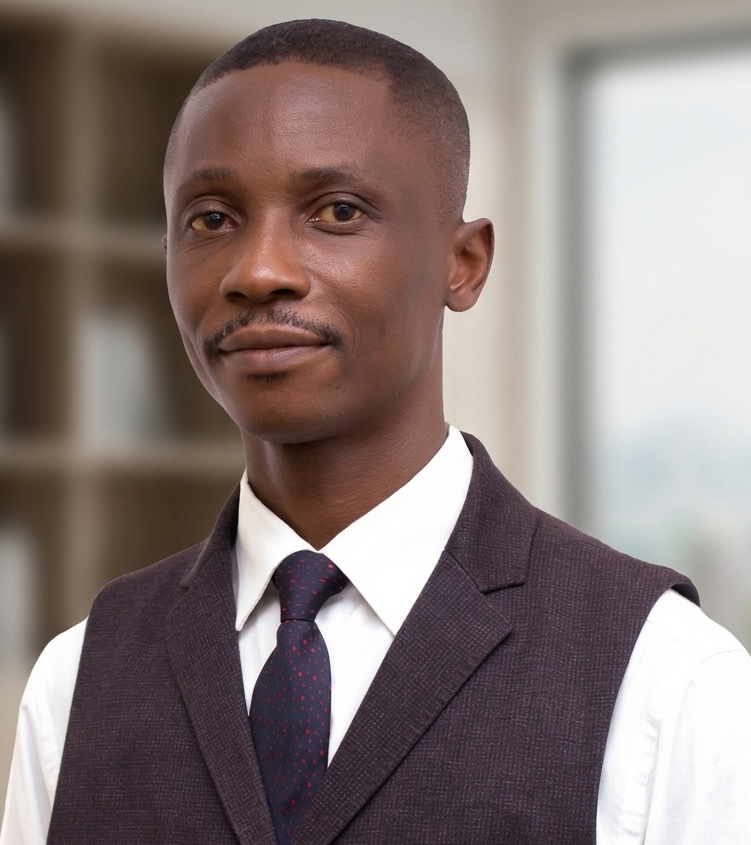
Dr-Ing. Alexander Boakye, Marful
Project Coordinator
Kwame Nkrumah University of Science and Technology, Kumasi
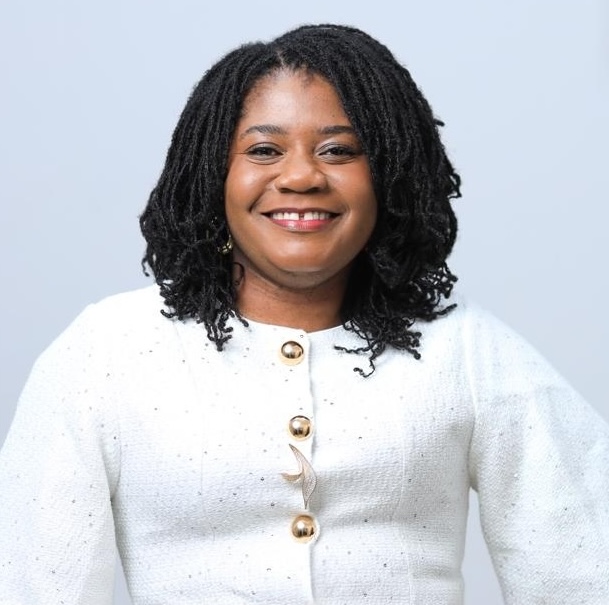
Dr. Esi Aduku
Project Coordinator
Kwame Nkrumah University of Science and Technology, Kumasi
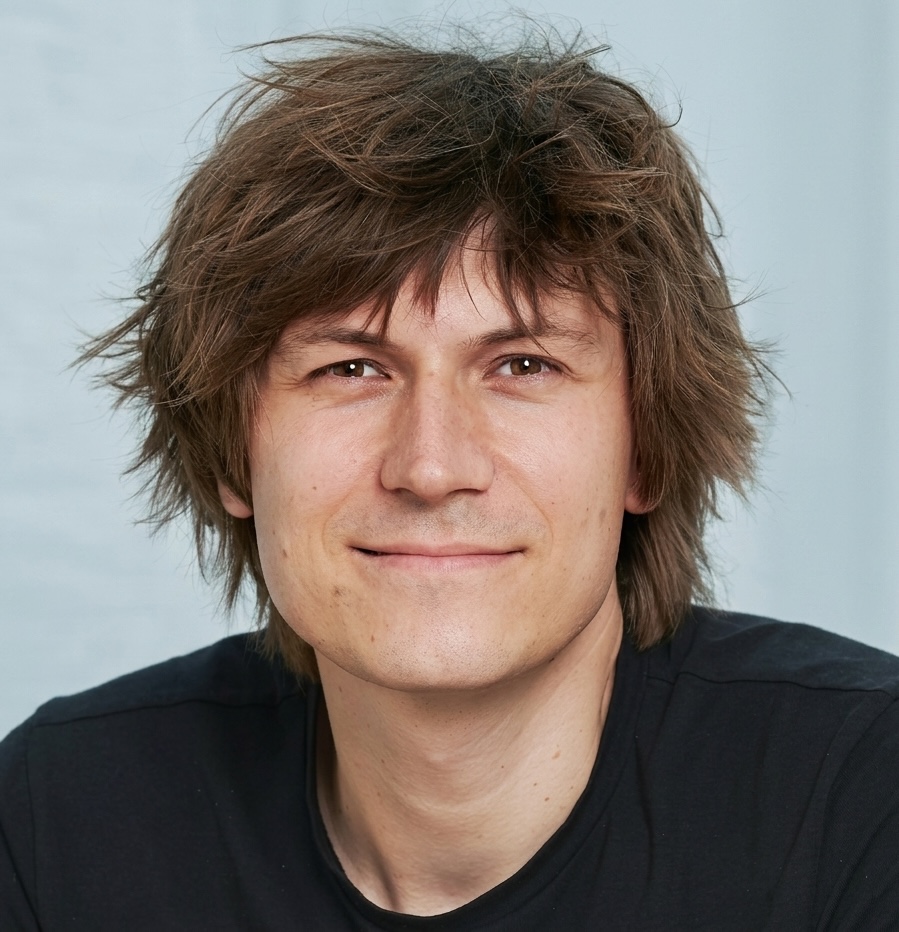
Prof. Moritz Dörstelmann
Professorship Digital Design and Fabrication
Karlsruher Institut für Technologie

MA. Carolin Feldmann
Professur Digital Design and Fabrication
Karlsruher Institut für Technologie
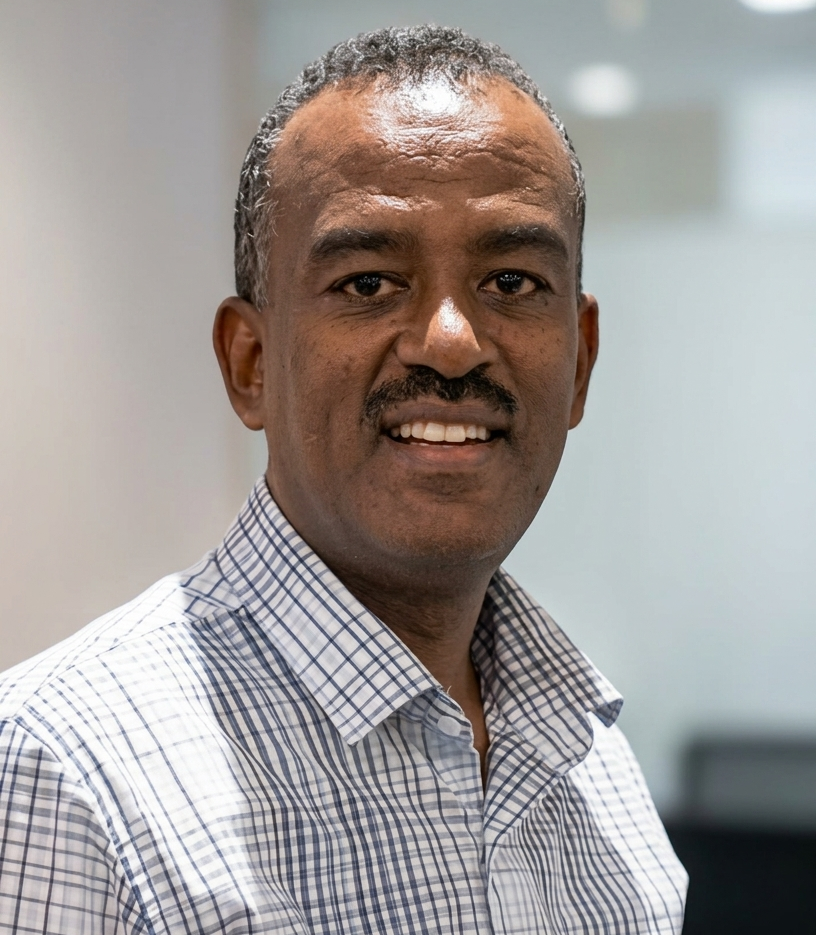
Prof. Ephrem Gabremariam
Lead Project Coordinator
Addis Ababa University
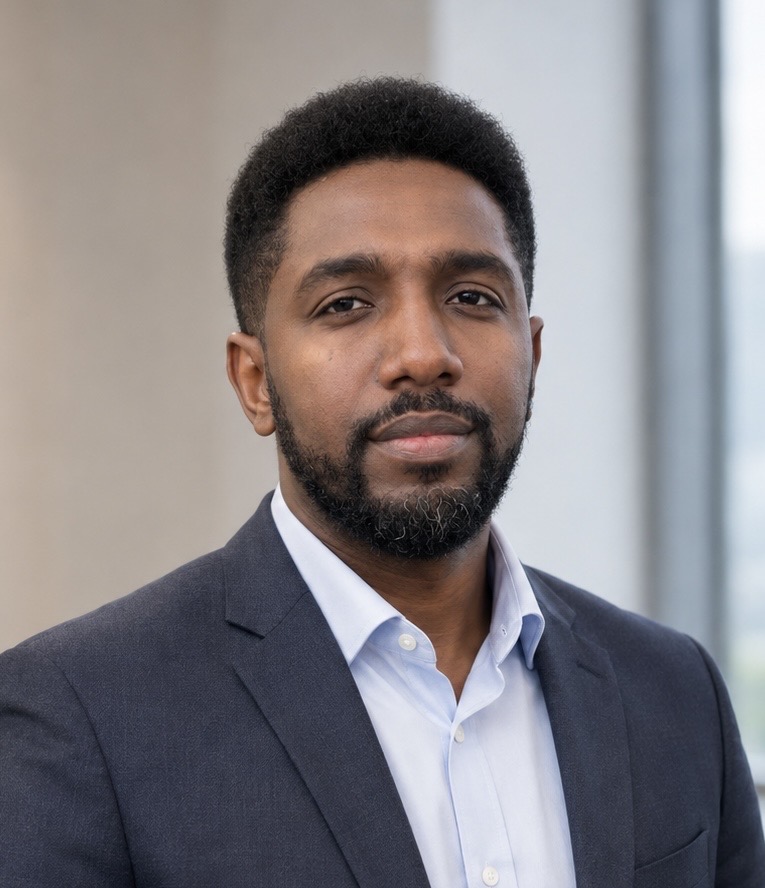
Israel Yilma
Project Coordinator
Addis Ababa University
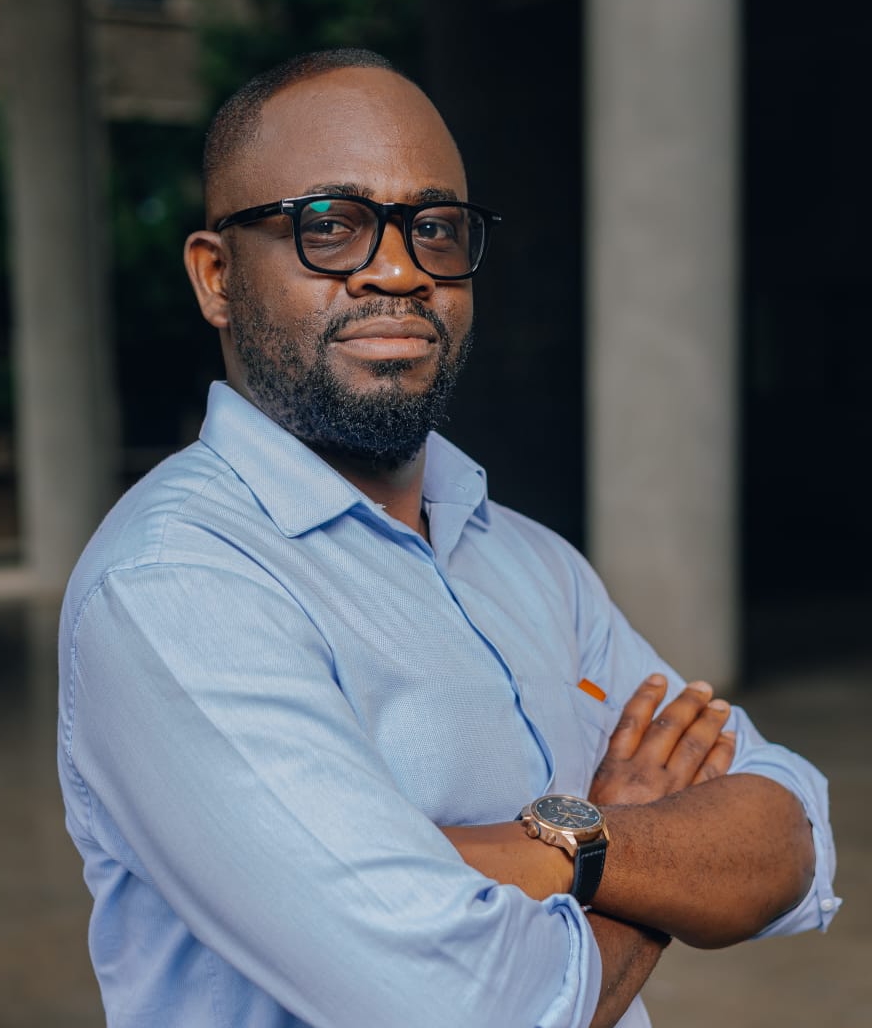
Prof. Michael Bodunrin
Lead Coordinator & Supervisor
University of the Witwatersrand, Johannesburg
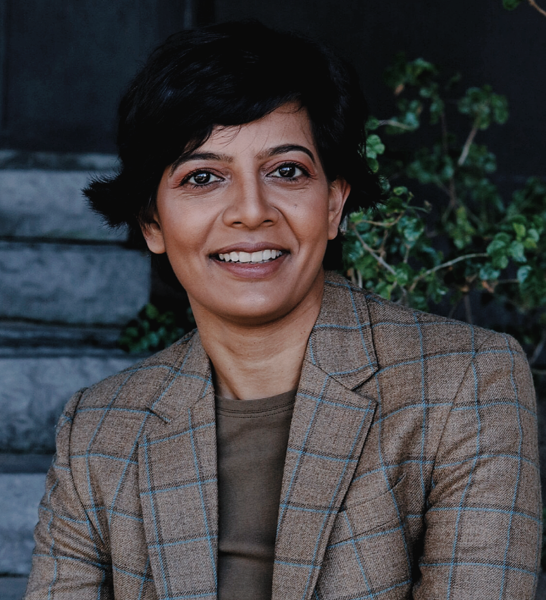
Dr. Janina P Kanjee
Co-coordinator & Supervisor
University of the Witwatersrand, Johannesburg
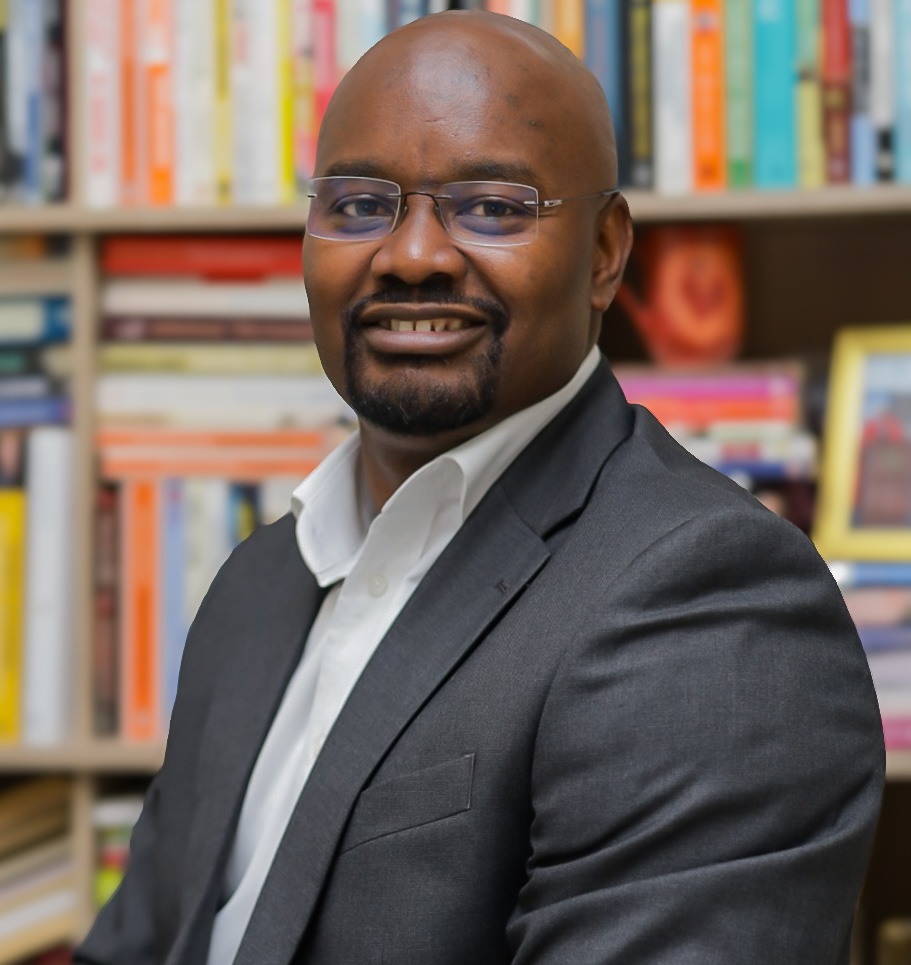
Dr. Desmond Klenam
Research Lead & Supervisor
University of the Witwatersrand, Johannesburg
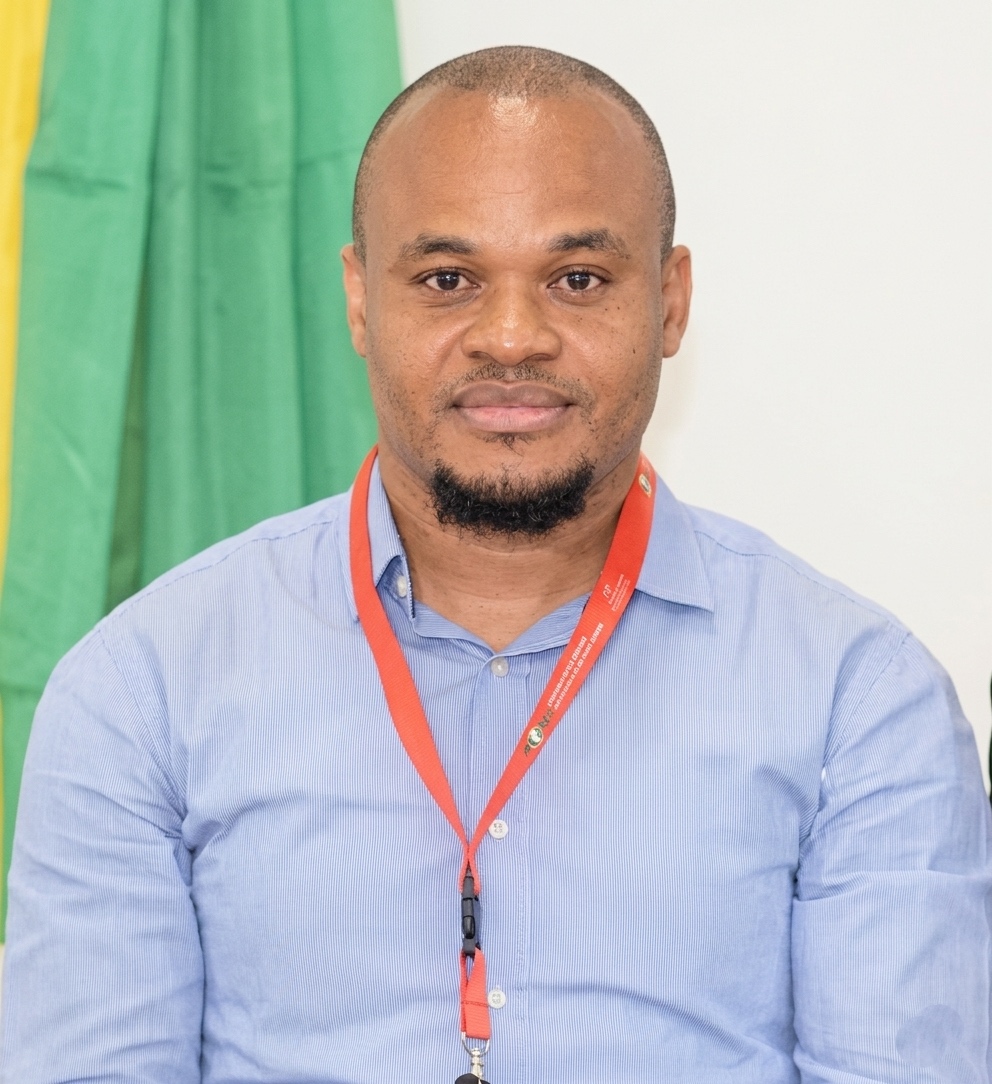
Dr. Matthew Ikuabe
Research Lead & Supervisor
University of the Witwatersrand, Johannesburg
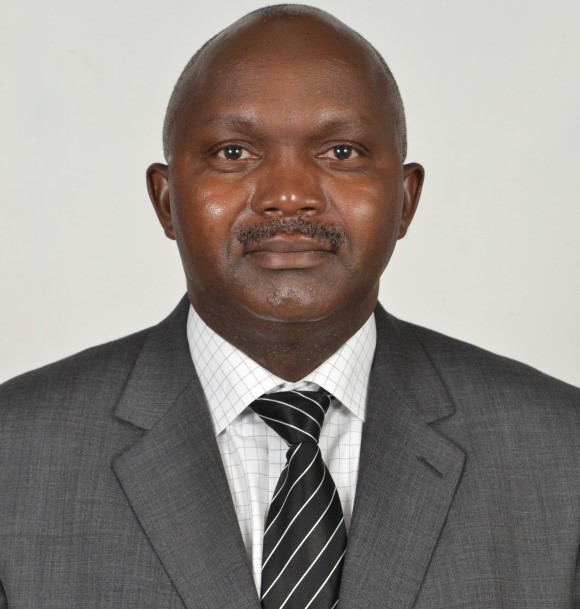
Prof. Thomas Ochuku Mbuya
Lead Project Coordinator
University of Nairobi
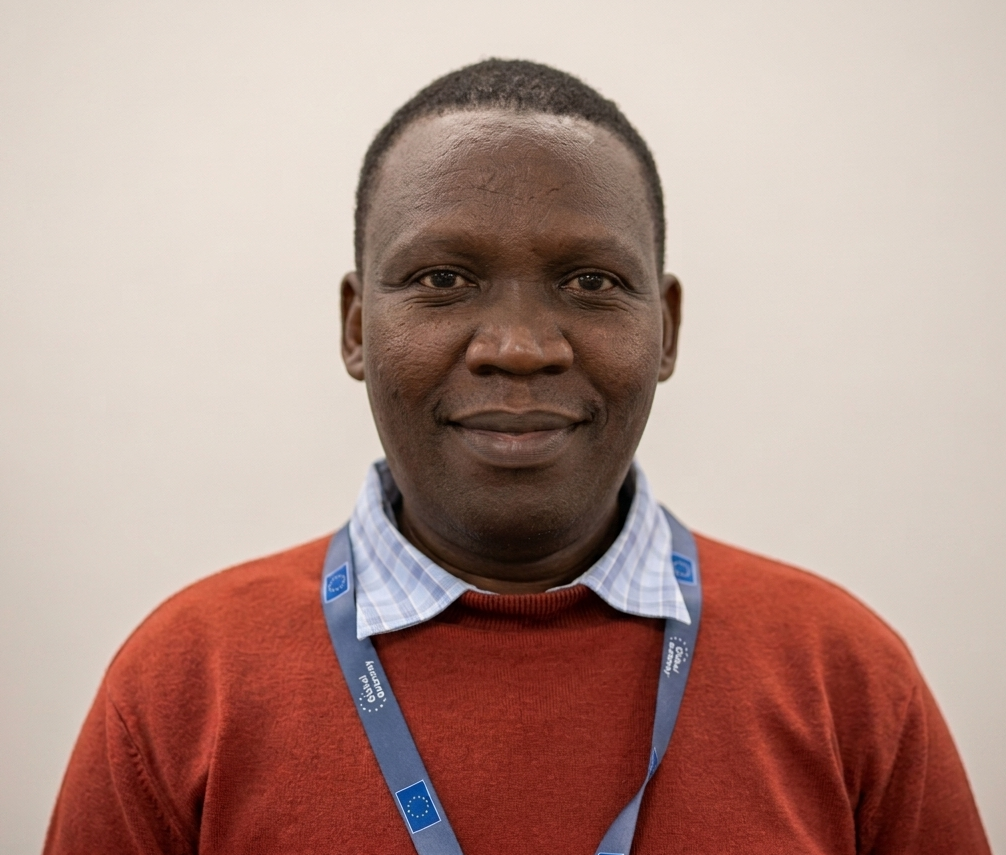
Simon Bett
Project Coordinator
University of Nairobi
Key Features
Three core pillars that guide every aspect of the BUCABUMA initiative.

Utilizing Local,
Renewable Materials
We promote locally sourced, renewable materials — bamboo, clay, natural fibres — to reduce environmental impact and support affordable, climate-responsive construction.

Fosters Sustainability
and Resilience
Circular design principles and climate-resilient materials support structures that adapt to changing environmental conditions and reduce resource depletion.
Reduces CO2
Emissions
Prioritizing natural, low-carbon materials and efficient methods significantly lowers carbon emissions and minimizes the environmental footprint of the built environment.
Get Involved
with BUCABUMA
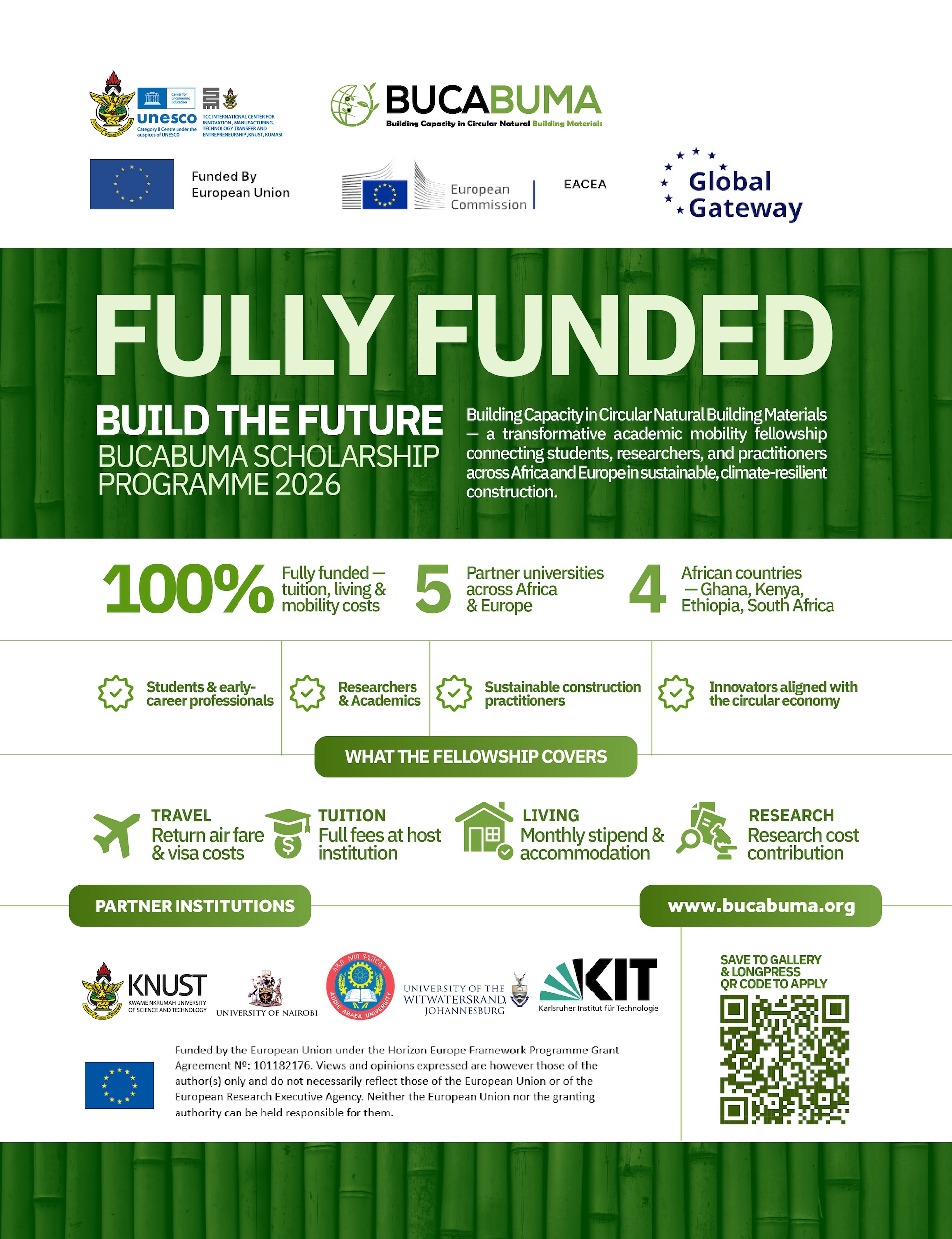
Fully funded academic mobility scholarships for qualified applicants from Ghana, Kenya, Ethiopia, and South Africa. Shape the future of sustainable, climate-resilient construction.
Apply for Scholarship